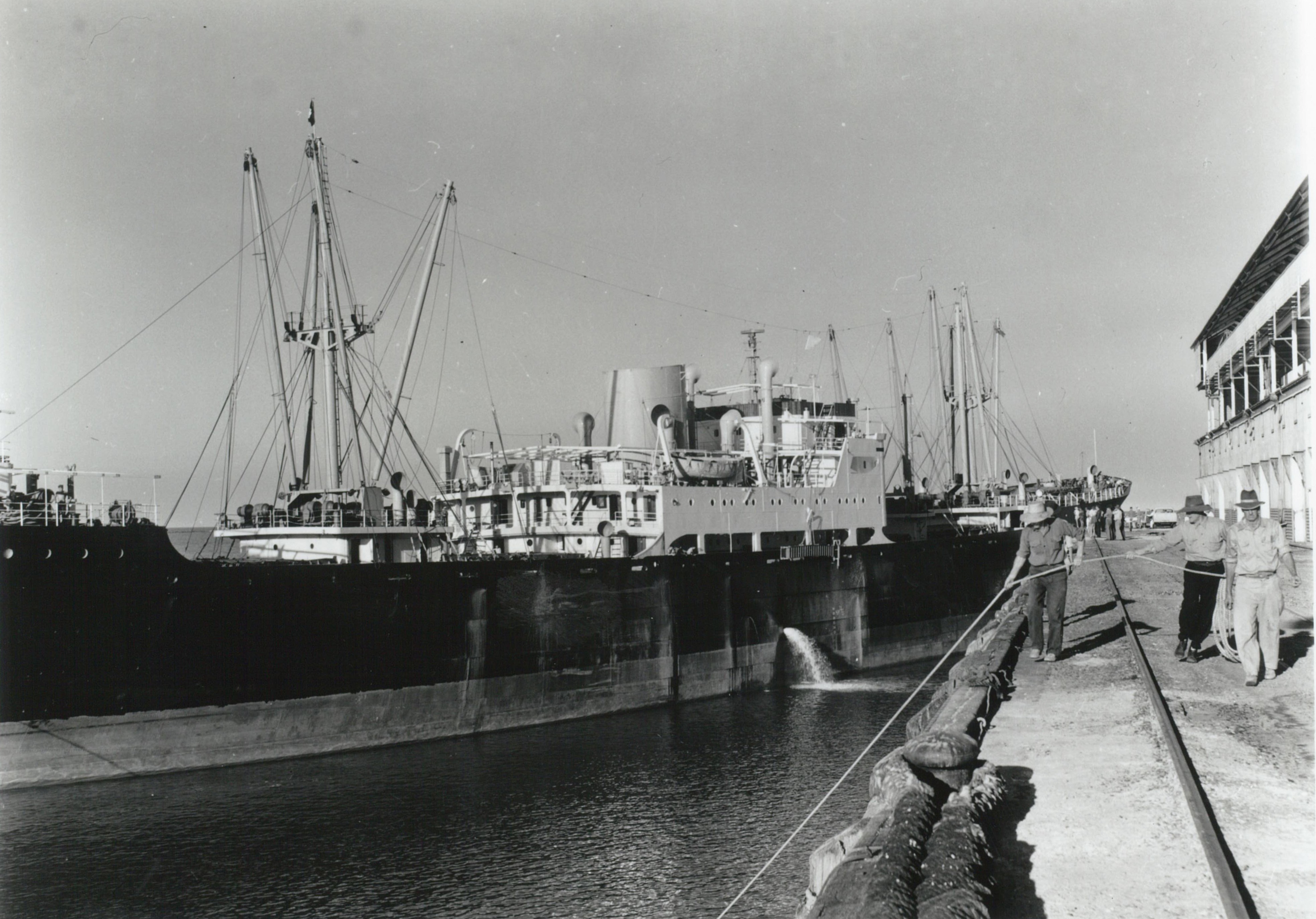
From bags to bulk
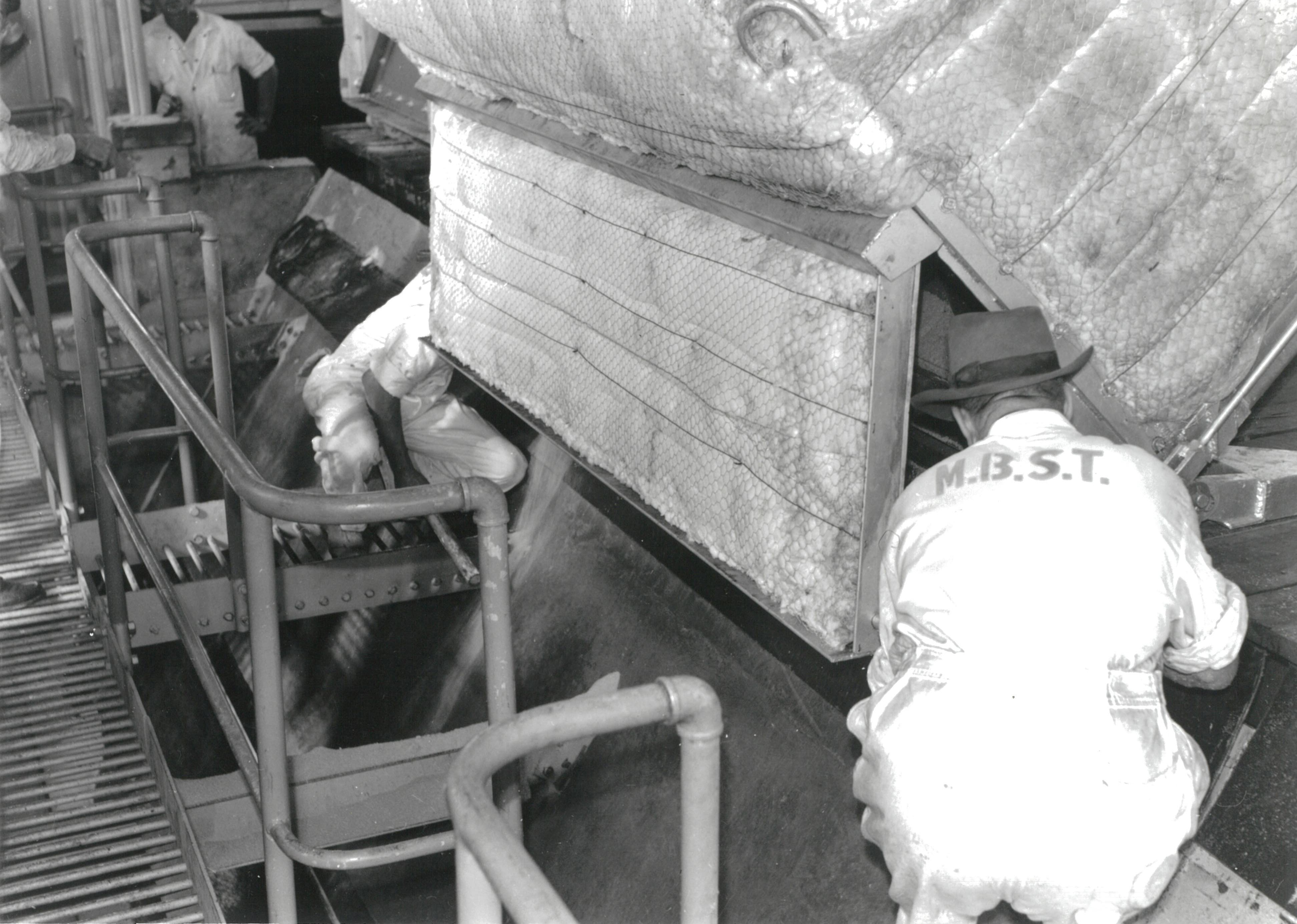
In the early decades of Queensland’s sugar industry, raw sugar was handled manually in jute bags. The process was labour-intensive, slow and costly, with ships loaded bag by bag and exports constrained by time, weather and workforce availability.
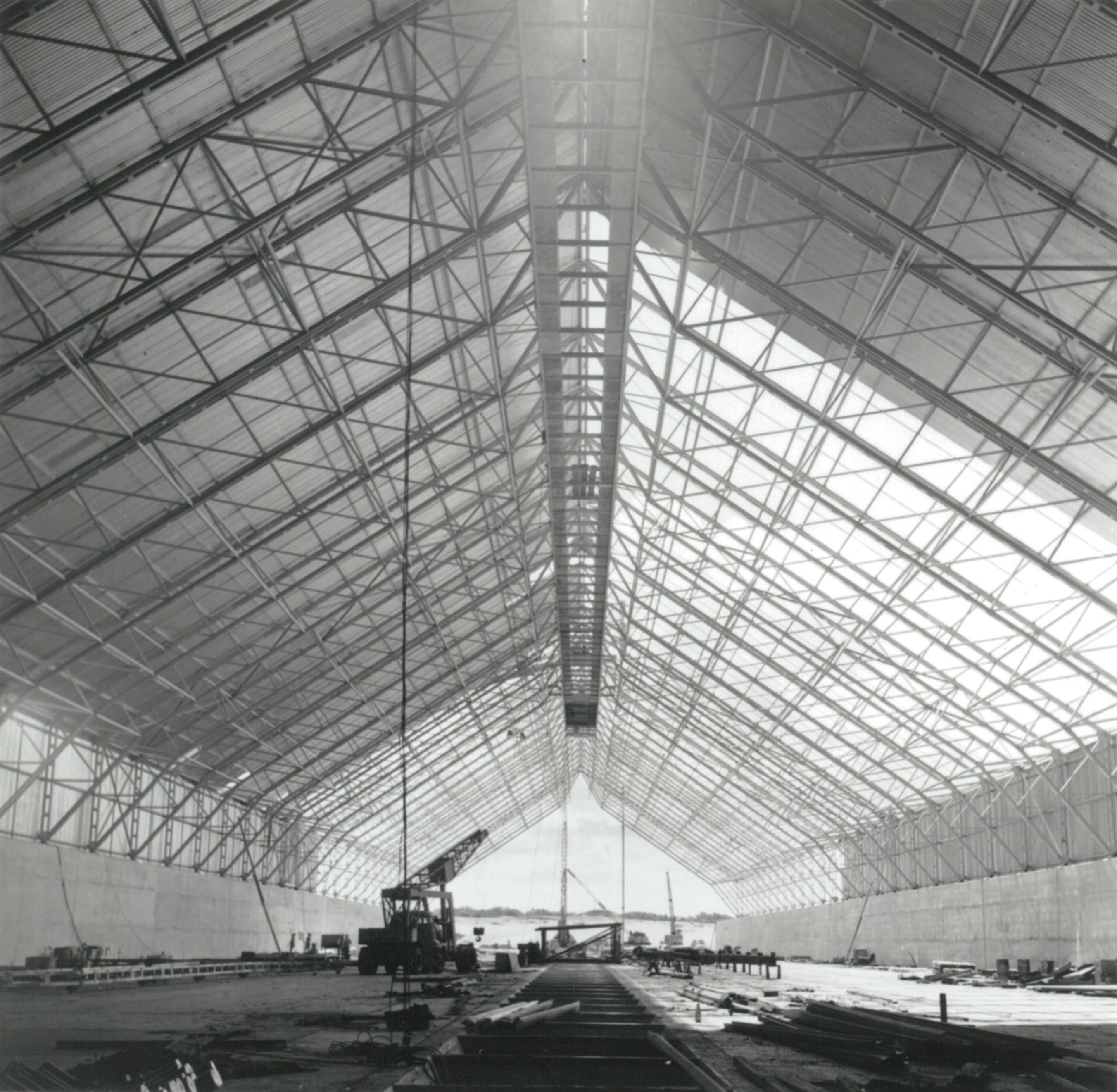
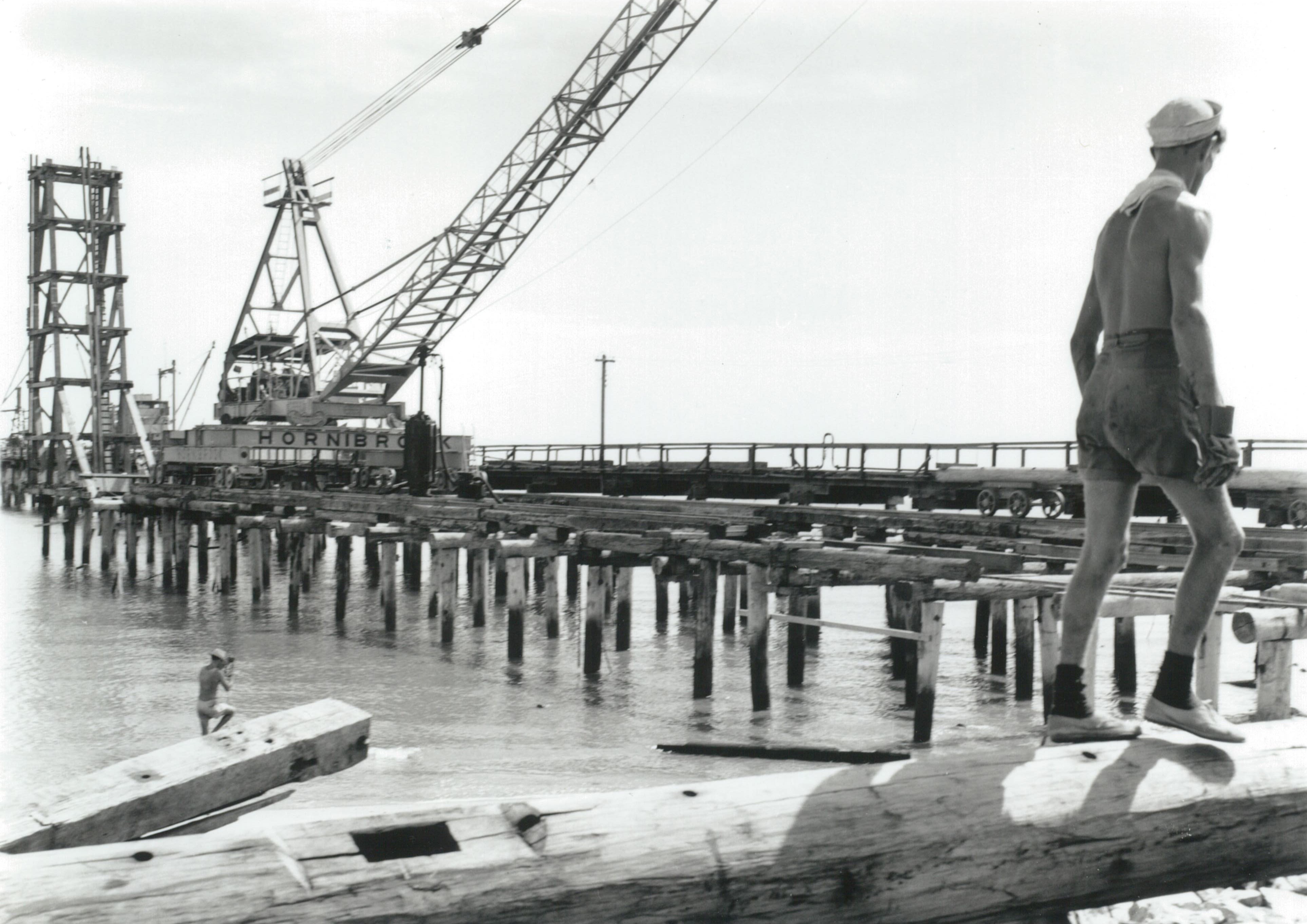
As production increased and export markets expanded, it became clear the industry needed a fundamentally different approach. In response, bulk sugar terminals were developed from the 1950s onwards – built with significant funding from growers and millers as a shared investment in efficiency, scale and competitiveness.
While industry-funded, the terminals were initially managed under a government statutory framework, reflecting their strategic importance to Queensland’s economy. This model combined public oversight with industry commitment, laying the foundations for the bulk handling system that would later evolve into industry ownership.

Building scale for global trade
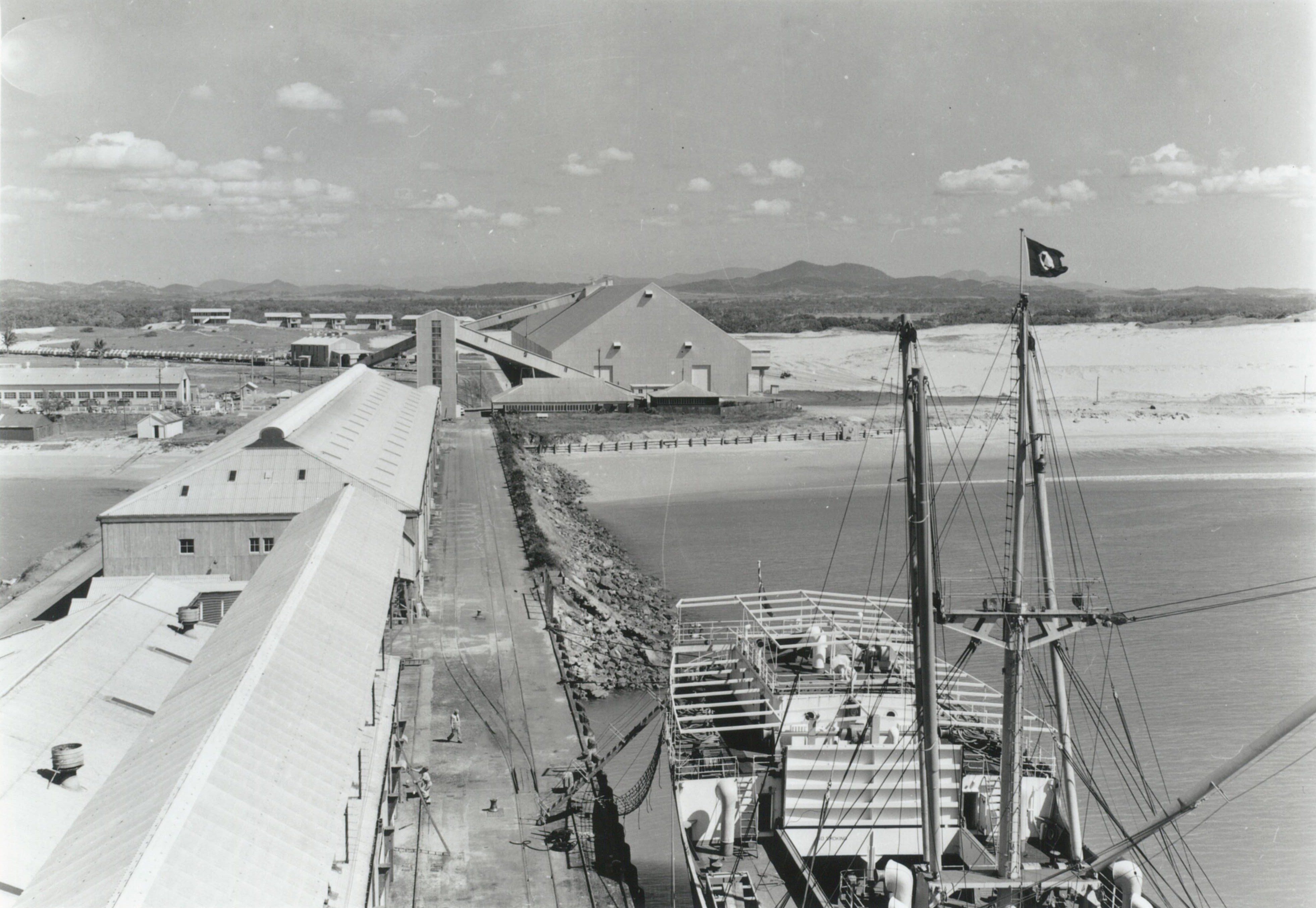
As international demand grew and vessel sizes increased, Queensland’s bulk terminals were continually upgraded.
Facilities such as Lucinda and Townsville became recognised internationally for their capacity and efficiency, with improvements allowing ships to be loaded at world-leading rates. By the late 1990s, Queensland’s terminals were handling millions of tonnes of sugar each year, supporting an export-focused industry operating in increasingly competitive markets.
This investment ensured Queensland sugar could meet customer expectations for quality, volume and reliability.

Industry ownership
A defining milestone came between 1998 and 2000, when ownership of Queensland’s bulk sugar terminals transitioned from government oversight to an industry-owned structure.
This change reflected a widely held industry view that infrastructure critical to growers and mills should be governed within the industry itself, with long-term access, efficiency and accountability at its core.
In 1998, the Queensland Government endorsed an industry-led transition process to manage the transfer of terminal assets and leases to an industry-owned company. This process brought together representatives from across the industry to oversee the change and establish appropriate governance arrangements.
Grower interests were represented through CANEGROWERS and the industry’s grower structures, helping ensure growers had a clear voice in discussions about terminal ownership, governance and long-term access.

Operating for the industry
In August 1998, Sugar Terminals Limited was established to manage the commercial operations of Queensland’s bulk sugar terminals. By 2000, ownership of terminal assets and associated port leases had transferred to the industry-owned company, marking a significant shift in how this critical infrastructure was held and managed.
Under this new structure, STL was responsible for the operation and maintenance of the terminals, providing continuity and stability during the transition from government oversight to industry control.
Governance arrangements reflected the shared nature of the assets, with representation for grower and miller shareholders alongside independent oversight – reinforcing the principle that the terminals existed to serve the long-term interests of the broader industry.

An integrated supply chain
Queensland’s bulk sugar terminals form part of a tightly coordinated logistics network.
Raw sugar is transported from mills by road and rail to terminals servicing each milling area. At each point, sugar is identified, tracked and managed to ensure quality, traceability and efficiency from paddock to port.
This integrated system allows Queensland sugar to be shipped throughout the year, providing international customers with confidence in supply reliability – a critical advantage in global trade.

Infrastructure that matters
As the sugar industry moved into deregulation and greater exposure to global markets, efficient bulk terminals became even more important.
Industry-owned export infrastructure helped:
- reduce supply chain costs
- improve competitiveness in world markets
- provide certainty for growers during structural change
- support marketing flexibility in a deregulated environment
In an industry where commercial risk increasingly rests with growers, control over critical infrastructure has been essential.

A lasting legacy
Queensland’s bulk sugar terminals are more than industrial facilities – they are the physical expression of an industry working together to secure its future.
Through coordinated advocacy, investment and governance – including direct grower representation through CANEGROWERS – the industry created infrastructure capable of supporting generations of cane growers.
A century on from CANEGROWERS’ formation, bulk sugar terminals remain central to Queensland sugar’s global success.