Imagine if Airbus could influence Boeing’s board appointments, or if Pepsi held sway over Coca-Cola’s corporate governance.
Most investors would see that as a clear conflict of interest – a direct competitor exerting influence without commercial alignment or contribution. Yet in Australia’s sugar industry, that’s exactly what’s happening.
Last month, two major sugar marketers – Wilmar and MSF – used their voting power to block proposed reforms to the governance structure of their direct competitor, Queensland Sugar Limited (QSL). The reforms were designed to modernise the system, ensuring that only those who actively market sugar through QSL have a say in how it operates.
When QSL was the industry’s single–desk marketer, miller voting power made sense. But after deregulation, Wilmar and MSF built their own trading arms and now compete directly with QSL. Unfortunately, QSL’s constitution didn’t keep pace with the changing industry, allowing millers to retain votes – and influence – over a rival they no longer trade through.
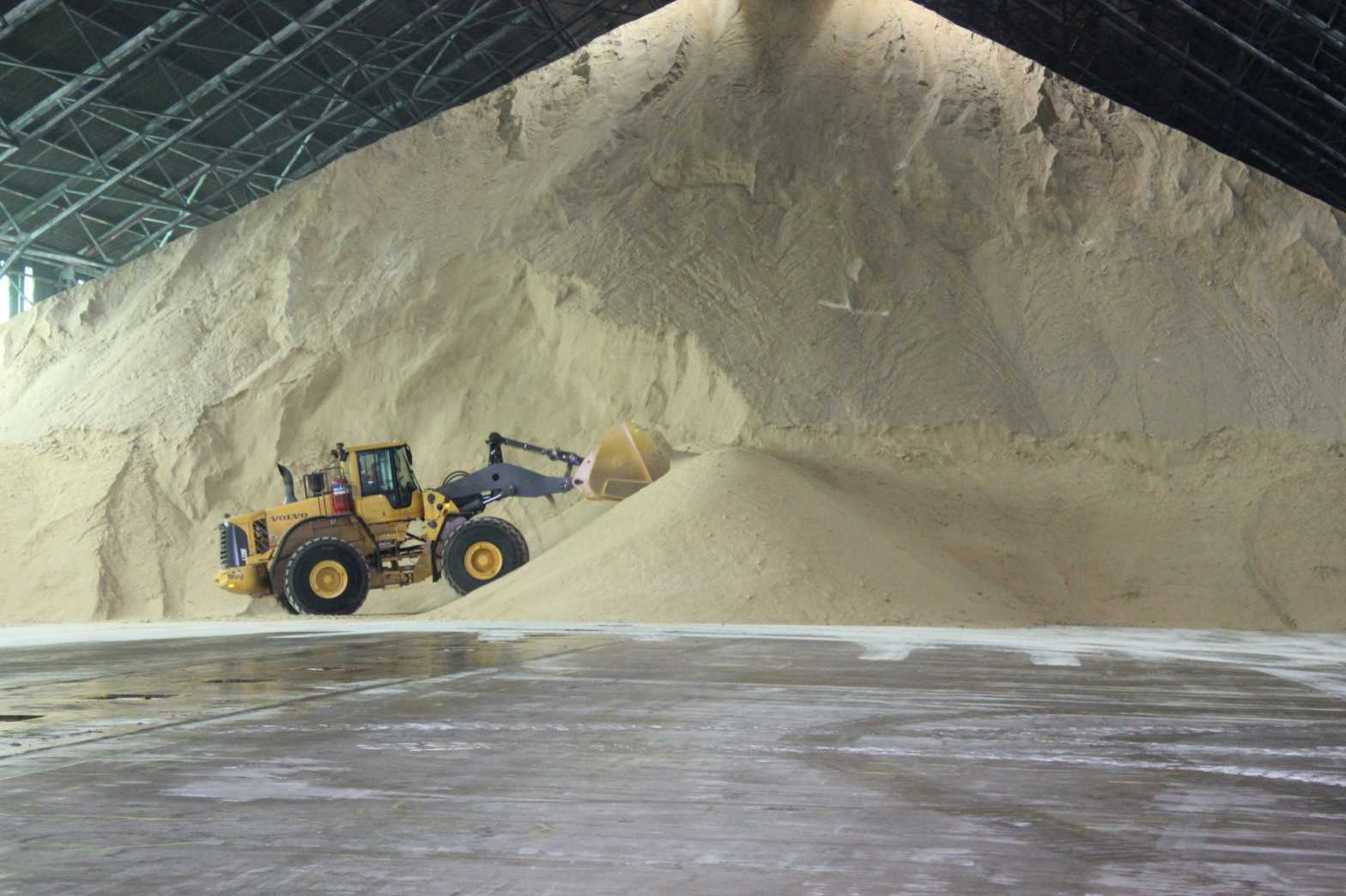
Sugar may not dominate headlines, but it remains a major Australian commodity. Around 85 per cent of the nation’s 4.5 million tonne annual production is exported, contributing $2.5 billion to the economy and supporting more than 20,000 regional jobs.
For decades, QSL’s shared grower–miller governance has anchored the industry’s reputation for reliability and commercial integrity. That balance has been a quiet but important factor in maintaining buyer and financier confidence in Australian sugar.
Wilmar and MSF’s actions now threaten that perception. While it may be within their legal rights, it hardly passes any reasonable governance test.
At issue is not just a vote, but a signal. Behaviour in one jurisdiction tells the market a lot about corporate culture across the group. Consistency of conduct across markets is the bedrock of investor confidence – when governance values shift with geography, it suggests those values are conditional, not cultural. When a company that publicly promotes strong ESG and governance credentials is seen to lean on outdated and clearly unfair rules to protect its influence, investors and lenders start to question whether those standards are truly embedded or mere words.
This is more than theoretical. ESG–linked financing, ratings agencies, and sustainability indices scrutinise conduct that undercuts transparency and contestability. Reputational exposure can quickly become financial exposure when sustainability–linked loans hinge on credible alignment between policy and practice. Governance noise lifts risk premiums – the quiet tax on future capital.
It also creates a policy overhang. When large corporates use legacy leverage to shape a governance structure they no longer participate in, governments eventually act. Intervention can take many forms – from new reporting requirements to limits on export market influence – but each brings uncertainty, compliance cost and reputational drag. Even absent a breach, uncertainty grows, and markets price uncertainty.
It wouldn’t be the first time governments have had to step in to restore balance in Australia’s sugar marketing system. The protracted “choice in marketing” battle of the 2010s ultimately led to state legislation and a federal industry code of conduct – hard evidence of what happens when market power goes unchecked.
At the very moment Australia is courting capital for biofuels and renewable manufacturing, this kind of misalignment fractures cohesion and sends the wrong signal about stability and fair play. The world is searching for low-carbon feedstocks and sustainable agricultural systems. Australia has both. But credibility matters. Investment follows trust, and trust depends on fairness and transparency.
The fix is simple: align influence with participation. Wilmar and MSF must commit to a time-bound review of QSL’s voting rules so governance reflects today’s market, not yesterday’s. That process should be industry-led, transparent and supported by both growers and millers who remain within the system – a collaborative reform that would strengthen confidence rather than divide it.
To be clear, Wilmar and MSF are entitled to their commercial choices. But with scale comes responsibility. Exercising influence over an industry body you no longer market through may be technically permissible (for the moment) yet it undermines the integrity that sustains value across the chain.
Australia’s reputation for clear, rules-based markets is one of our most reliable comparative advantages. Preserving that culture of fair dealing is essential to attracting capital into every export industry, not just sugar.
Good governance isn’t a burden. It’s the cheapest de-risking tool in any market – a quiet asset that compounds over time. If Wilmar and MSF wish to lead in a decarbonising world, they should start by leading on governance: aligning influence with participation, and contribution with control. Because once trust is lost, the recovery costs far more than doing the right thing in the first place.