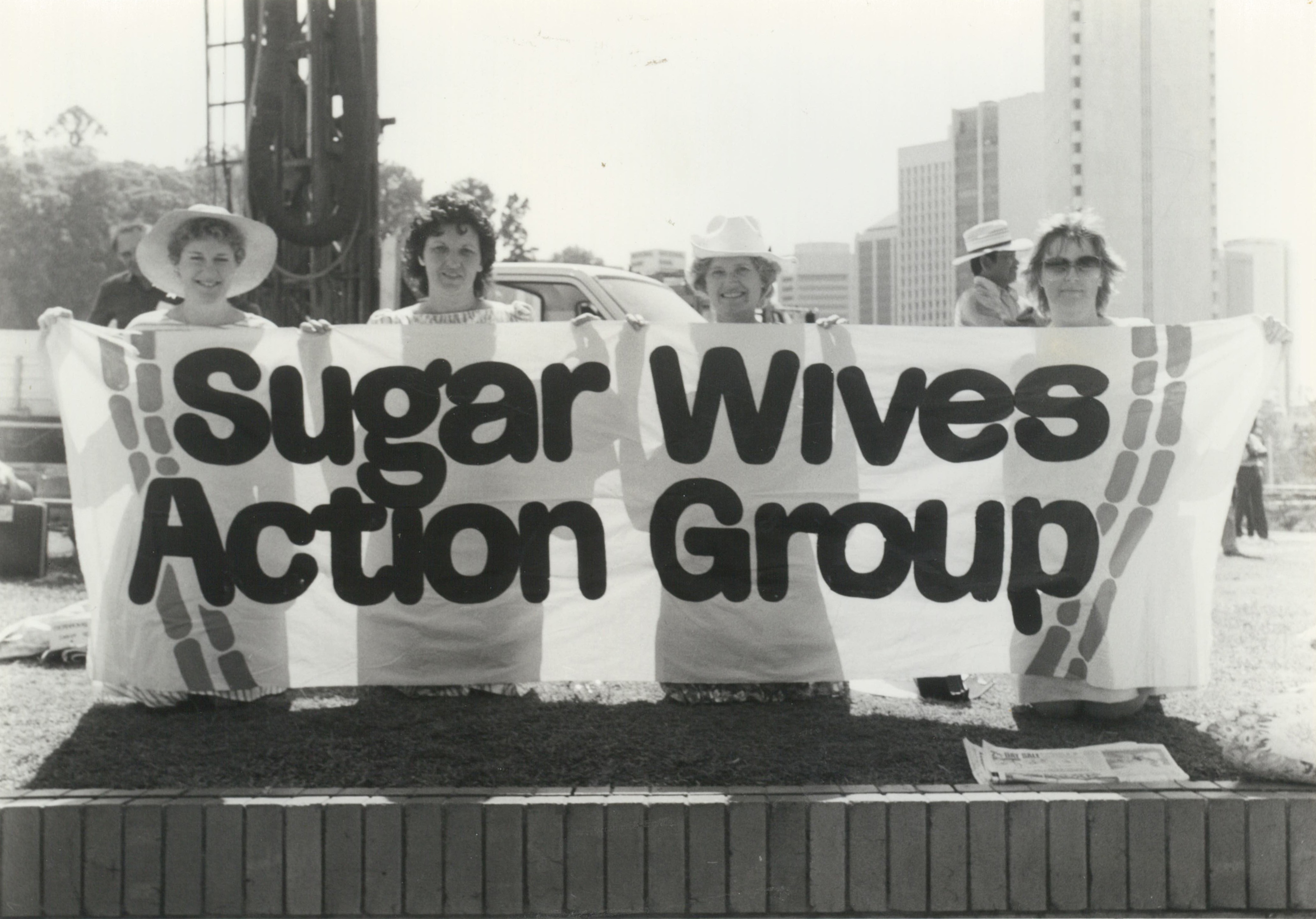
Advocacy That Delivers
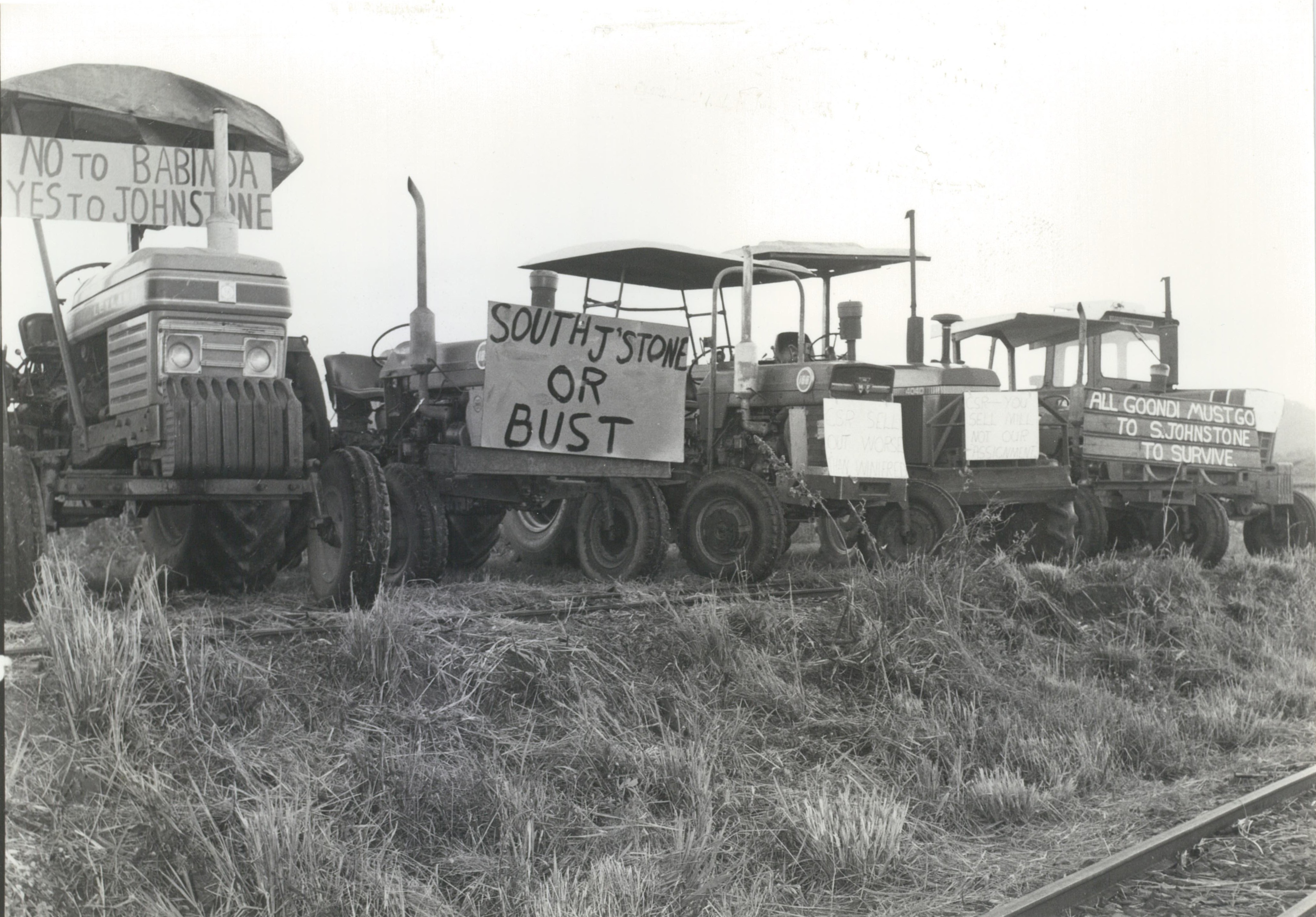
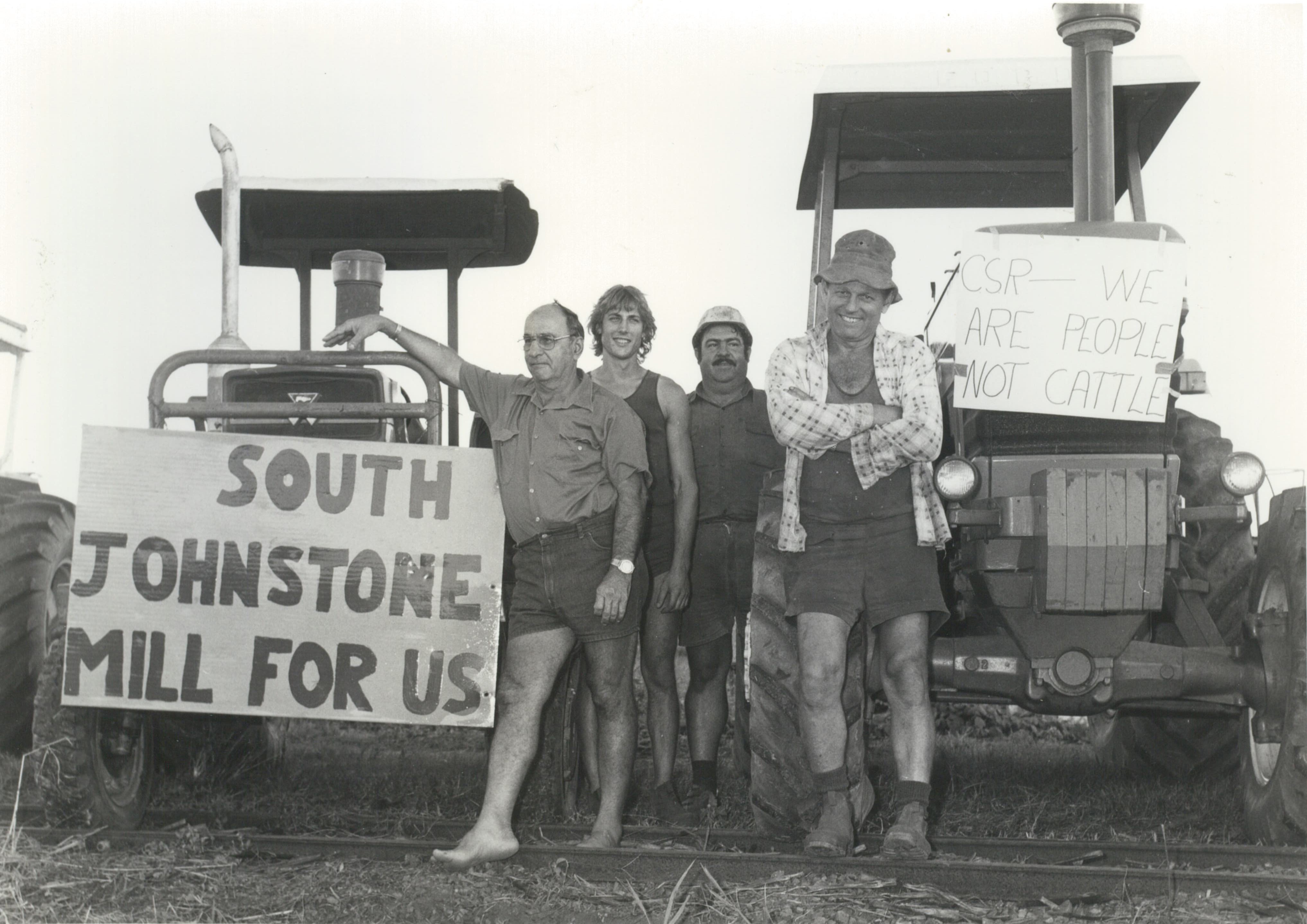
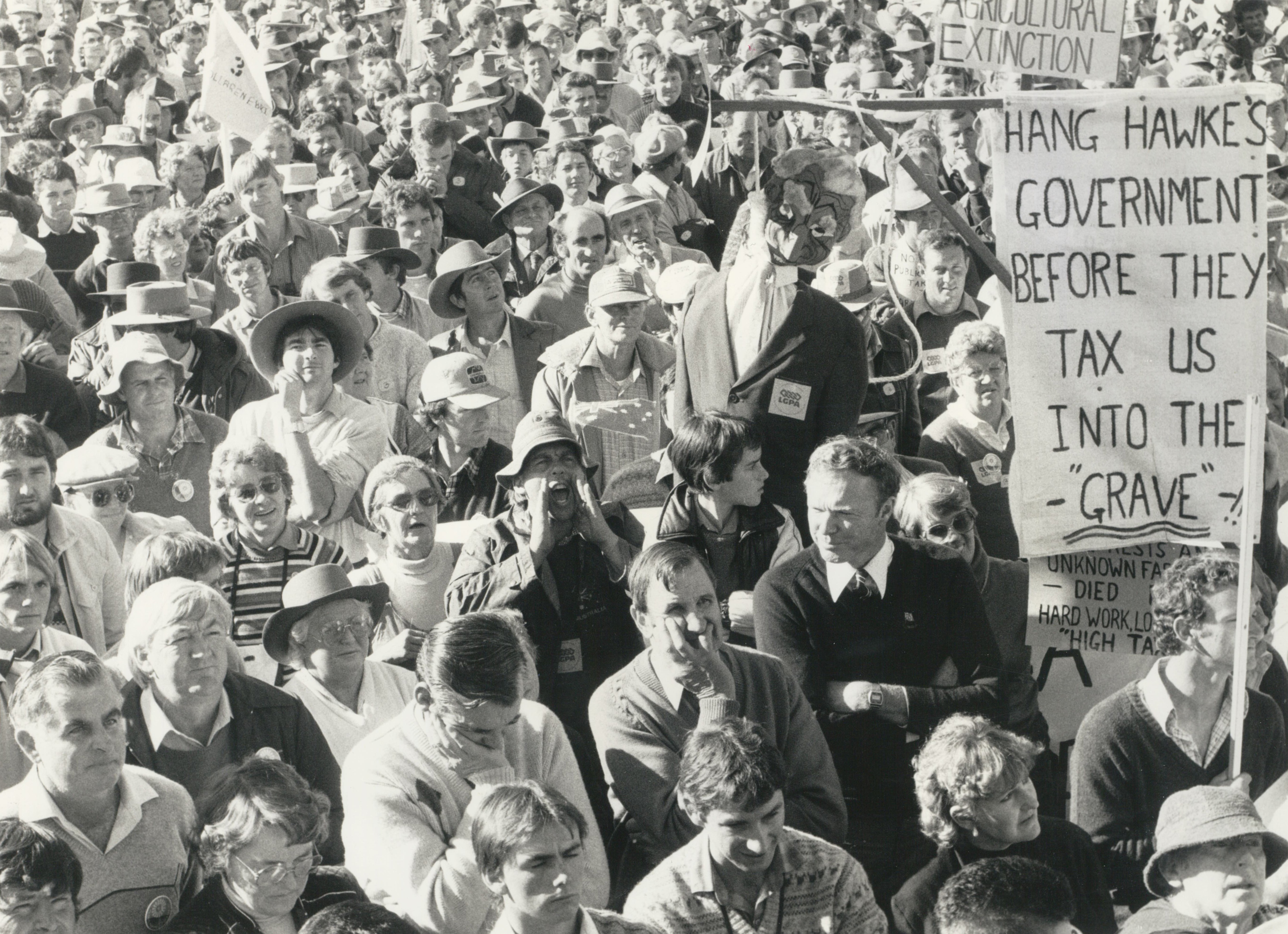
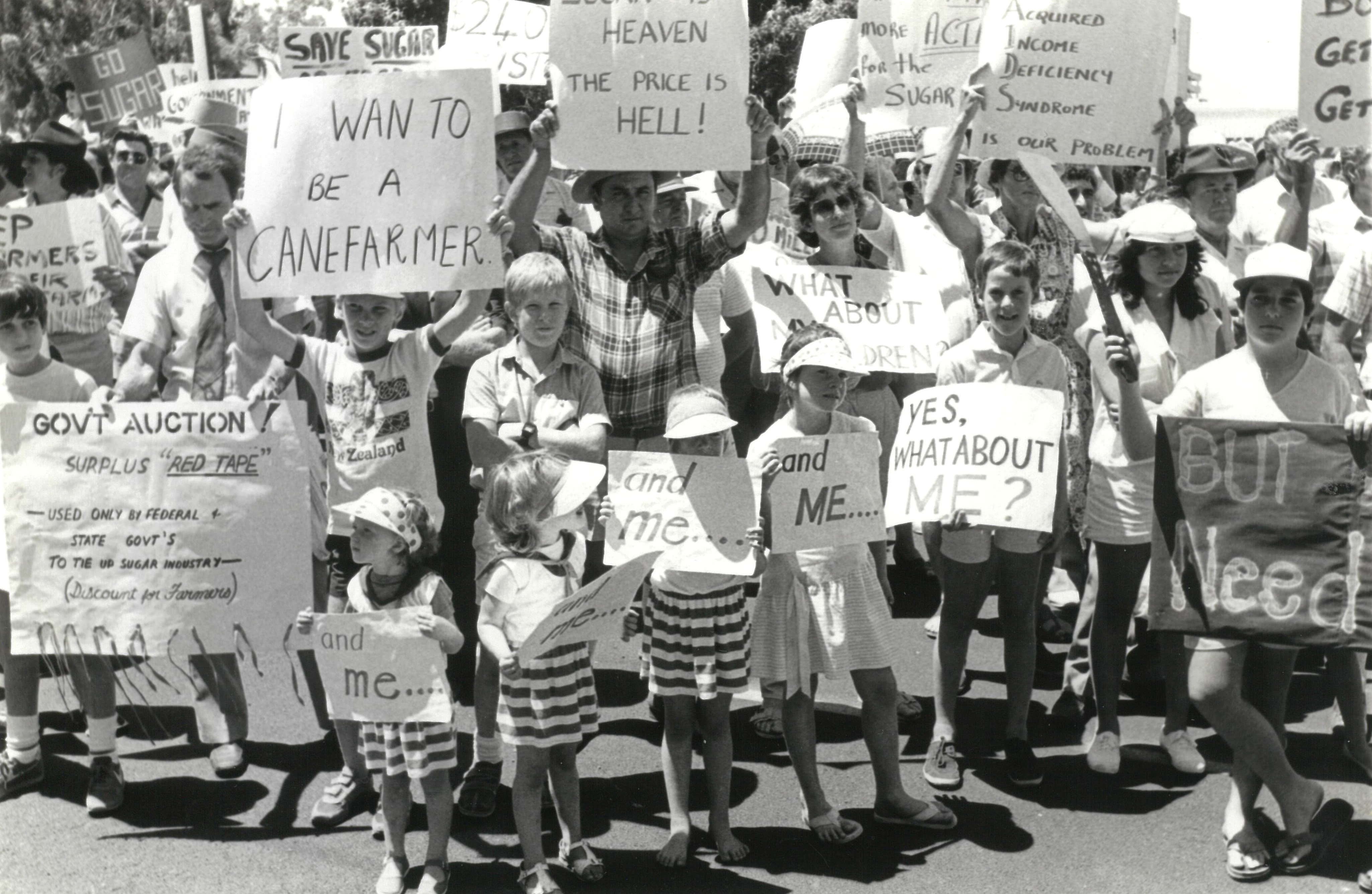
Growers did not organise simply to talk about problems – they organised to solve them.
Across the century, the shared voice of Queensland cane growers has been more than rhetoric. It has been the engine through which growers translated collective concern into tangible change, shaping the rules, systems and frameworks that govern the industry.
Early advocacy and its evolution
In the decades after CANEGROWERS was formed, growers confronted commercial and regulatory conditions that often favoured other interests. Pricing systems, access to reliable information and equitable commercial arrangements were perennial issues.
Rather than accepting the status quo, growers organised collectively to press for greater transparency, better negotiation frameworks and processes that acknowledged the realities of farm production. Through persistent engagement with government, milling stakeholders and regulators, they shaped outcomes that improved accountability, reduced information asymmetry and helped balance commercial relationships.
As the industry matured, grower advocacy became less about immediate correction and more about sustained influence. Through the middle decades of the twentieth century, CANEGROWERS focused on embedding growers’ interests within the everyday operation of the industry – including ongoing engagement on pricing mechanisms, supply arrangements and the rules that governed how cane was bought, processed and paid for.
Progress was often incremental rather than dramatic, but it steadily strengthened growers’ position within an evolving industry. Advocacy during this period relied on persistence rather than confrontation, with grower representatives building credibility and negotiating outcomes that recognised on-farm realities.
Over time, this helped normalise the expectation that growers should be consulted on decisions affecting their livelihoods, not merely informed after the fact. These efforts were not always headline news, but they built a foundation of practical change that later reforms would draw upon.

Real choice in marketing – a milestone outcome
One of the most significant outcomes of grower advocacy came with reforms that restored grower choice in how sugar was marketed.
In the years leading up to these changes, individual growers had limited say in how their production was sold or where it went. Through coordinated advocacy that spanned districts and regions, growers articulated a clear industry position: growers should have meaningful choice and agency in marketing decisions that directly affected the value of their crop.
That position, backed by sustained engagement and negotiation, led to changes in the regulatory framework that gave growers the ability to choose how their sugar was marketed. This was not the result of a single meeting or a standalone campaign – it was the product of collective determination sustained across seasons and through many conversations with policymakers and industry stakeholders.
Strengthening commercial fairness – from voluntary to enforceable
Another defining chapter of advocacy was the movement toward clearer, more accountable commercial conduct arrangements.
For many years, growers and mills operated under voluntary understandings that lacked enforceability. Grower leaders pressed for stronger mechanisms that would protect growers’ interests, ensure fair negotiation, and provide credible pathways for dispute resolution when disagreements arose.
This advocacy culminated in the introduction of a formal Code of Conduct for industry relationships. Cane growers, through their collective voice, were instrumental in advancing the idea that fairness in commercial dealings should be underpinned by clear expectations, structured processes and mechanisms that all parties could rely on – not just informal agreements.
This represented a shift from voluntary practice to clearer norms that supported accountability, clarity and respect in grower–miller relationships.

Advocacy in a changing industry
While the forms of advocacy have evolved, its purpose has remained consistent.
As the industry entered the twenty-first century, deregulation, global competition and changing market dynamics reshaped the environment in which growers operated. Advocacy increasingly extended beyond traditional sugar frameworks, reflecting the reality that questions of long-term viability, value creation and risk often sat beyond the mill gate.
Grower representation broadened accordingly. Issues such as industry evolution, diversification, sustainability and participation in emerging value chains became part of the advocacy landscape, alongside long-standing commercial and regulatory concerns. The focus was not on prescribing a single future, but on ensuring growers were present in the conversations shaping what came next.
At the same time, advocacy continued to influence everyday industry practice. From how contracts are negotiated and information is shared, to how disputes are resolved and growers are represented in wider agricultural and economic forums, collective representation remained an active and practical force rather than an abstract principle.
Trade and global market settings also assumed greater importance. As an export-oriented industry, Queensland sugar is shaped by international policy decisions and market access arrangements that directly affect returns at the farm gate. Advocacy in this space has sought to ensure that growers’ reliance on global markets is understood and that their interests are considered in broader economic discussions.
Through all of this change, the underlying approach has endured. Growers have continued to use collective representation to ensure their voices are heard where decisions are made – adapting to new challenges while remaining grounded in the realities of farming life.