
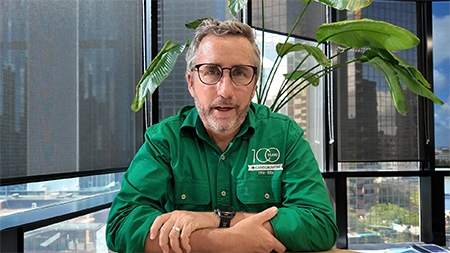
A strong crop, but real pressure ahead
The 2026 crush is finally upon us and, perhaps more than any season in recent memory, we’re heading into it with more uncertainty than any of us would like.
On the positive side, the crop is looking strong, with some districts expecting their highest tonnage in recent years.
The weather has also been relatively kind so far. While some districts have experienced flooding, we’ve thankfully avoided the sort of widespread destruction and disruption that has caused so many problems in recent seasons.
There’s also cautious optimism that the milling sector is entering the season in better shape than usual after a longer maintenance window.
Unfortunately, that’s where the confidence starts to fade.
I know I don’t need to tell anyone that the current sugar price is unsustainable. Growers have been battling a steady decline for the past two years and, unless prices recover, confidence and investment across the industry will continue to suffer.
At the same time, conflict in the Middle East is driving fuel and fertiliser costs sharply higher.
While rising oil prices may ultimately provide some support to global sugar prices, as countries like Brazil and India divert more sugar into ethanol production, it also comes at a very real cost here at home.
CANEGROWERS has been working closely with fuel suppliers, fertiliser companies and government in recent weeks and, while we’ve been assured supply is on the way, there is also acknowledgement that prices are likely to remain painfully high for the foreseeable future.
Fuel costs alone are expected to strip around $150 million from industry profitability this season.
That pressure won’t just be felt on farm. It will ripple right through the cane-growing supply chain, local communities, businesses and the broader regional economy.
State grower levy on hold
It was against the backdrop of a challenging season ahead that the CANEGROWERS Board met recently to set membership levy rates for the year.
Every director around that table is a cane grower themselves, so there was no shortage of understanding about the pressure and uncertainty many farming businesses are carrying into the season.
Traditionally, the Board has aimed to ensure levy adjustments at least keep pace with CPI, so the organisation’s income does not steadily fall behind rising operating costs.
However, after considerable discussion, the Board made the decision to hold the state levy at 2025 levels, while continuing to deliver the full suite of member services – including free crop insurance.
This was not a decision made lightly, but it was made with a clear understanding of the season growers are facing.
Code of Conduct review
One of the most important things grower levies fund is CANEGROWERS’ advocacy work. And in recent years, few wins have been more important than the introduction of the Sugar Industry Code of Conduct.
As the Code approaches its 10th anniversary, a Federal Government review is now underway to decide whether it should be remade, changed or allowed to expire.

CANEGROWERS fought hard for the introduction of the Code because growers in most regions simply don’t operate in a normal market.
Cane is perishable, transport distances are limited, and for most growers there is only one mill they can realistically supply.
That gives millers enormous market power during negotiations.
The Code was introduced to help level the playing field by ensuring negotiations are conducted fairly and in good faith, protecting grower choice in marketing arrangements, and providing an independent arbitration process when agreements can’t be reached.
Download the Code of Conduct Factsheet hereIt is absolutely vital that we retain those protections.
Our policy team is currently preparing a submission to the review and we’ll be working closely with district offices and industry partners to put forward the strongest possible case.
Download the Code of Conduct Factsheet hereGrowers can also play an important role by making a personal submission in support of the Code through the review webpage here: Reviewing the Sugar Code of Conduct - Department of Agriculture, Fisheries and Forestry
Download the Code of Conduct Factsheet hereWorking on every front
Since my last update four weeks ago, it has been an extremely busy period behind the scenes. CANEGROWERS has met with federal Agriculture Minister Julie Collins, as well as representatives from the state and federal departments of Agriculture, Primary Industries, Environment, and the Queensland Treasury.
We have also been working closely with key industry bodies and partners including Australian Sugar Manufacturers, SRA, QSL, QFF and NFF, while also hosting industry discussions with representatives from Fertilizer Australia and the Australian Institute of Petroleum.
Those conversations have covered many of the biggest issues facing growers right now – fuel and fertiliser security, the Middle East conflict, the Sugar Code of Conduct review, renewable fuels, trade, water quality targets, rural land use planning and the future strategic direction of the industry.
That’s a broad workload, but it reflects the reality of the moment. Growers are dealing with pressure from every direction, and CANEGROWERS’ job is to make sure your voice is heard in every room where decisions are being made.
Taking cane to the classroom
On a much lighter note, CANEGROWERS has a number of education initiatives underway to help young Queenslanders better understand where sugar comes from, how cane is grown, and the many products and career opportunities connected to our industry.
From George the Farmer’s latest sugarcane classroom experiment, to Rural Discovery Week in Brisbane and the Sweetest Schools competition in cane-growing districts, these activities are all about building awareness, appreciation and connection with the next generation.
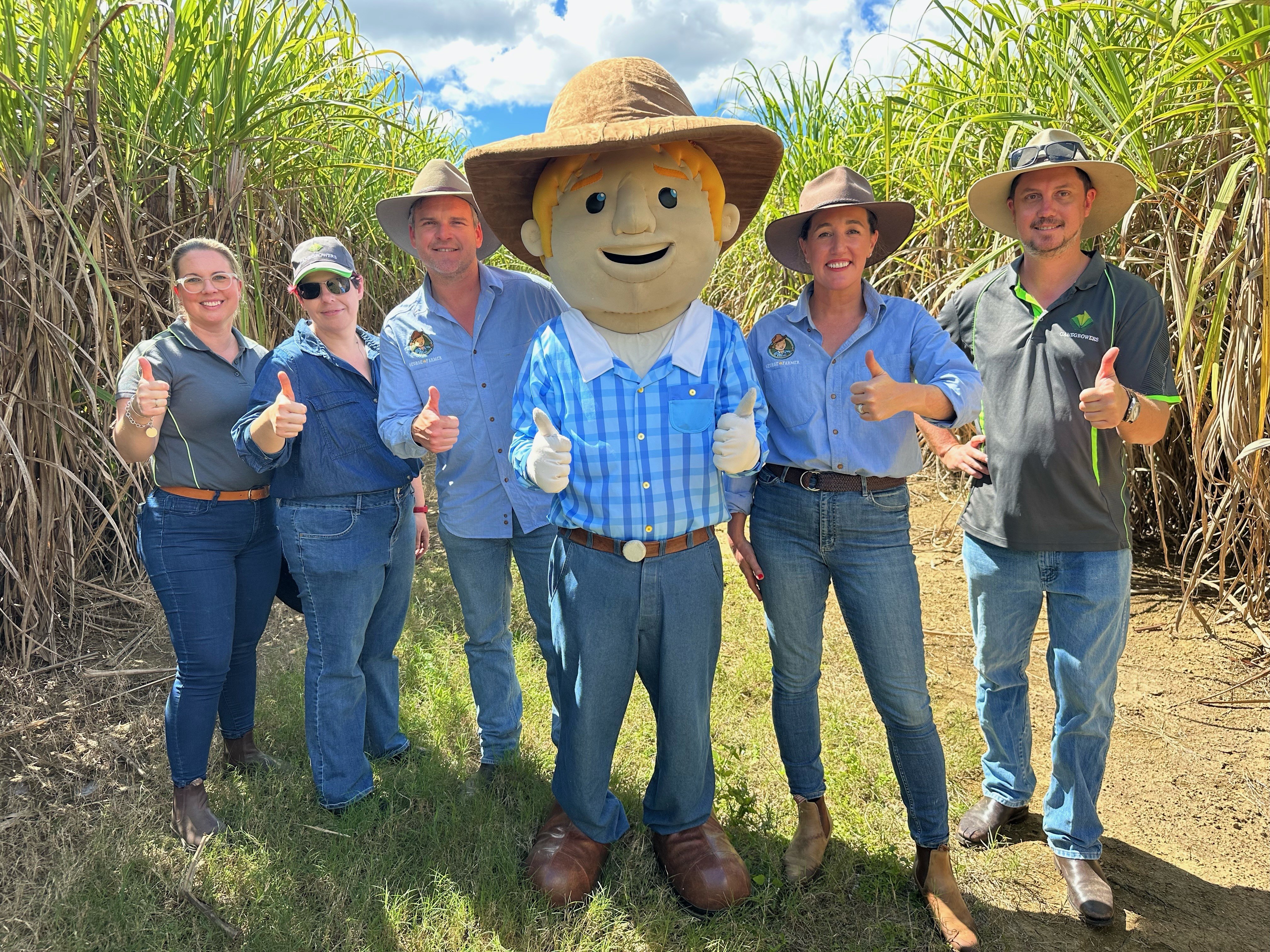
George is back!
George is back!
George the Farmer’s sugarcane adventures continue. This time he's teamed up with CANEGROWERS to bring a sweet science experiment to the classroom.
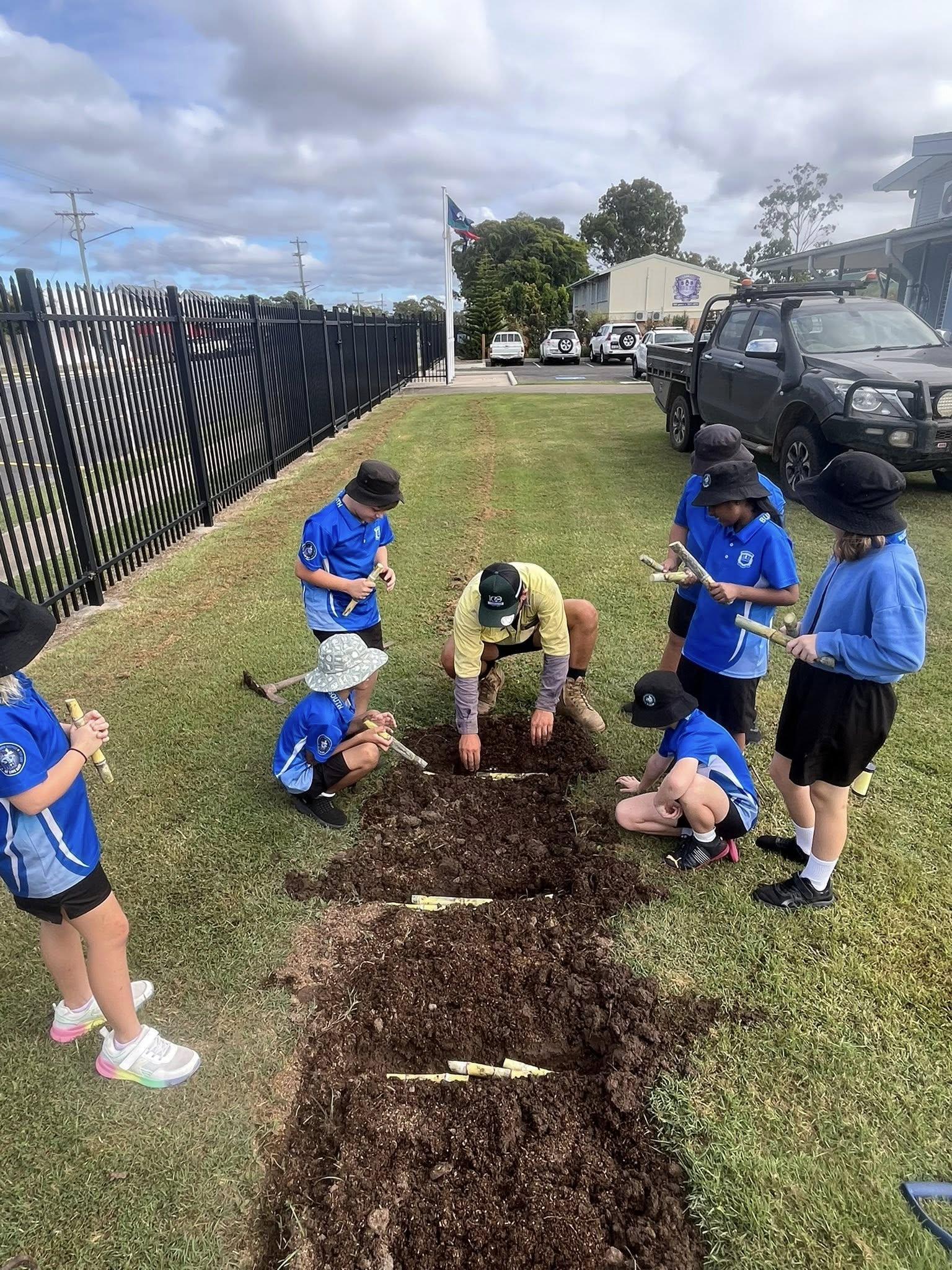
Rural Discovery Day
Rural Discovery Day
After a six-year absence, sugarcane is about to return to the school-meets agricultural extravaganza that is Rural Discovery.
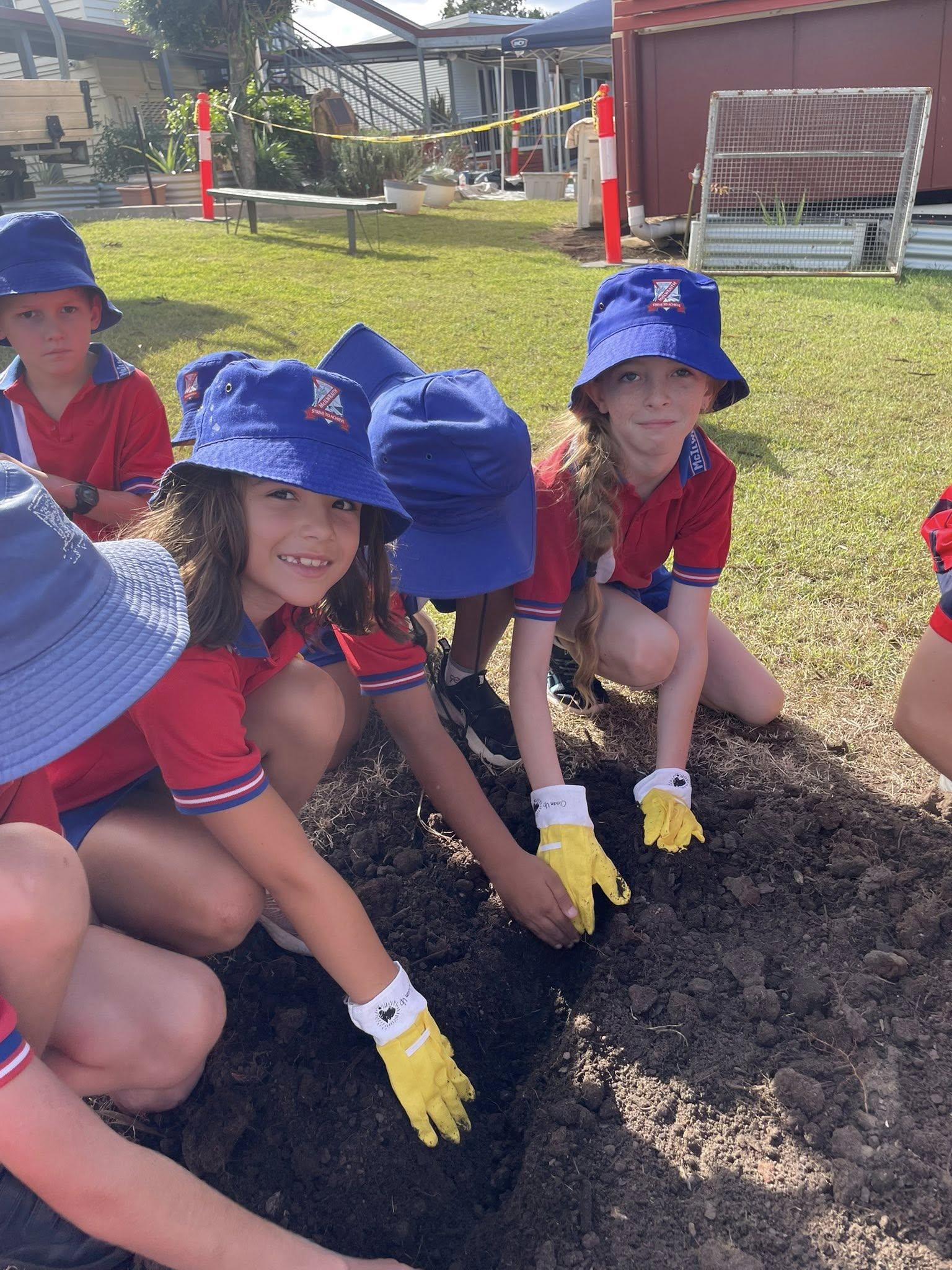
Sweetest Schools
Sweetest Schools
The competition just keeps heating up as more and more districts take up the challenge of finding Queensland's Sweetest Schools
Next Ratoon alumni reconnect
That focus on the future of the industry doesn’t stop with school students.
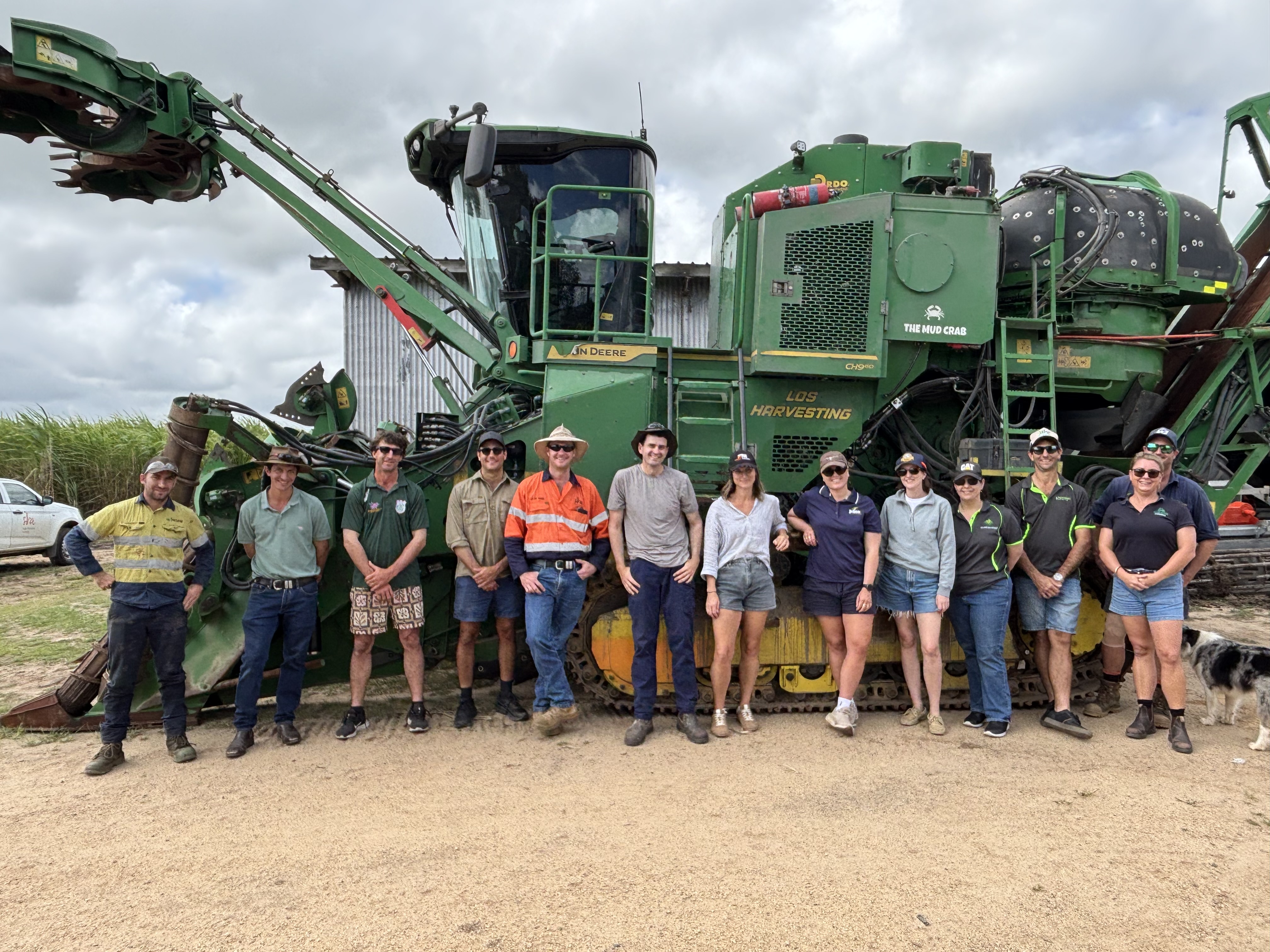
The recent Next Ratoon alumni tour in Proserpine gave 12 graduates from the 2024 and 2025 programs the chance to reconnect over three days of farm visits, workshops and networking.
Participants travelled from the Tablelands, Cairns, Innisfail, Herbert River, Mackay, Isis and Proserpine itself.
During the tour, they visited local farming operations, heard about variety and break-crop trials, saw planting and harvesting equipment in action, and took part in discussions about how CANEGROWERS can better engage younger growers.
Importantly, it also gave alumni the chance to compare experiences and continue building the networks that sit at the heart of the Next Ratoon program.
CANEGROWERS Membership and Innovation Manager Matt Keally, who organised and led the event, said it was a great reminder of the energy, ideas and leadership potential coming through the next generation of cane growers.
Our stories
If you haven’t been keeping up with our Voices of Cane Country video series, it’s well worth a look.
The series is part of our centenary celebrations and captures the stories of growers and families who have helped build this industry over generations.
In episode 4, Mossman cane grower Tano Caltabiano shares his family’s story - his father arriving in Innisfail with no money and no English, before the family later settled in Mossman and built a life in the cane industry.
From the days of hand-cutting gangs to raising his own family on the farm, Tano reflects on a lifetime in cane and the legacy that continues today, as Mossman’s cane community enters a new chapter.
