The 2026 crushing season is already underway in two Queensland cane-growing districts, and most other regions will see harvesters firing up through June.
For growers, it is the culmination of months of work – planting, fertilising, spraying, irrigating, and managing everything the season has thrown at them.
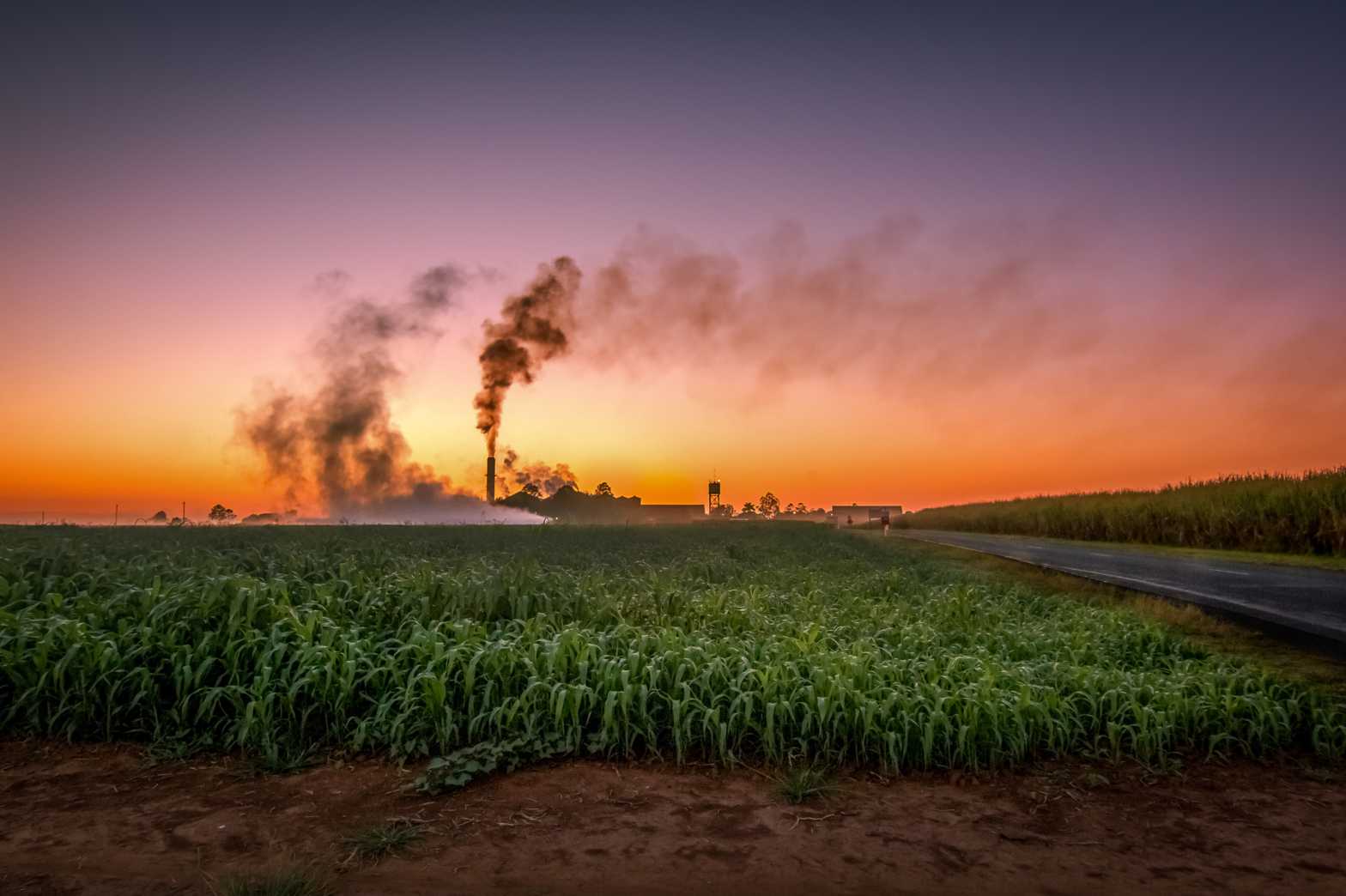
For local communities, it is the time of year when the industry is most visible – steam from mill stacks, harvesters and haulouts in paddocks, and locos and cane trucks moving carefully through districts.
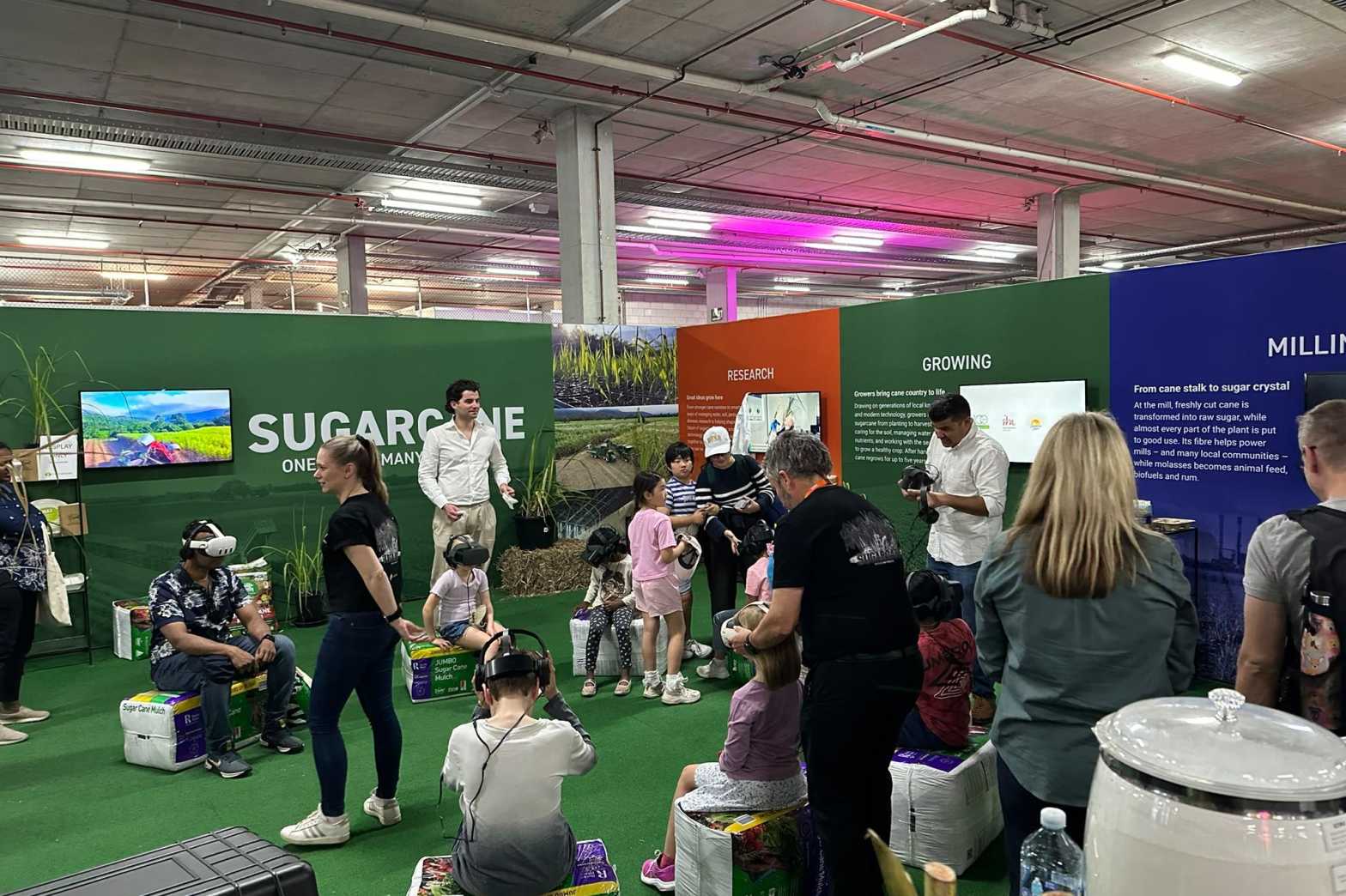
It is a reminder for many that sugar is more than a familiar product on supermarket shelves. It is part of an industry that supports local jobs, local businesses and the identity of regional communities up and down the Queensland coast.
But it is not only people and machinery that keep the industry moving. The rules matter too, especially when they help keep growers, millers and marketers at the table during difficult contract negotiations.
The sugar industry has many challenges in front of it, from volatile prices and rising costs to weather, workforce pressures and the need to keep mills running efficiently through the season.
It also has real opportunities, including expanding export markets, renewable electricity and biofuels.
But those challenges become harder to solve, and the opportunities harder to pursue, if the industry is dragged back into old disputes over marketing choice and fair negotiation.
The Federal Sugar Industry Code of Conduct was introduced in 2017 after a long and difficult dispute over growers’ ability to choose who markets their share of the sugar.
Since then, it has helped set basic rules for fair negotiation, good faith bargaining and access to arbitration when talks break down.
That may sound technical, but it is very practical – and necessary.
Cane growers cannot simply take their crop to another buyer if they’re unhappy with the deal their local mill is offering.
Once cane is ready, it has to be harvested and crushed quickly, and in most districts there is only one practical milling option.
Without fair rules, growers are left exposed and whole regions can be dragged into uncertainty.
That is why CANEGROWERS believes the Code – which is currently under review – should not be allowed to expire in 2027, but should be remade, with sensible improvements where they are needed.
It is not about picking fights. It is about keeping clear ground rules in place so growers, millers and marketers can get on with the job.
For every cane-growing region in Queensland, that matters. Fair and stable rules give growers the confidence to invest, keep local businesses moving, and support the communities built around cane.