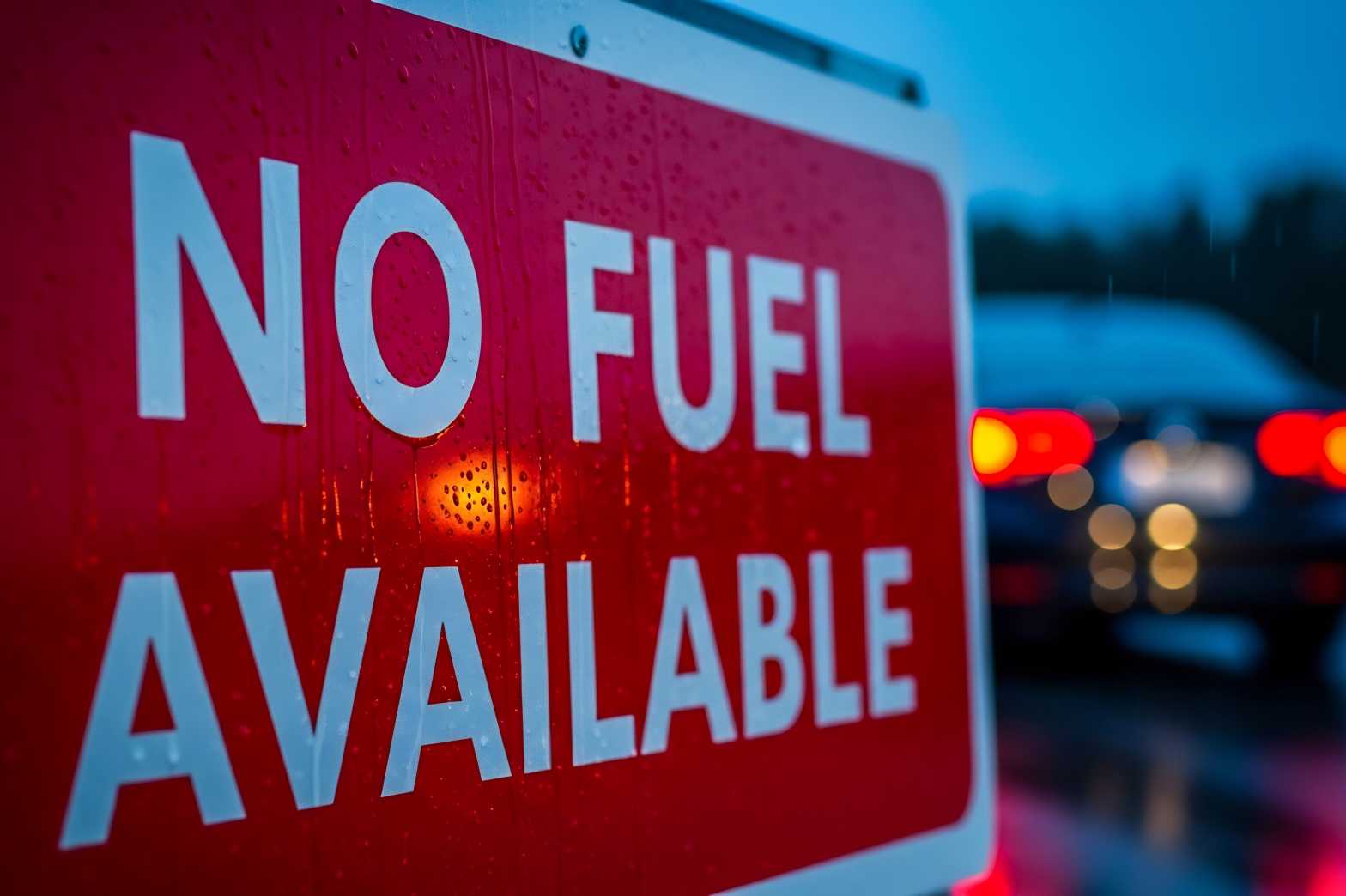
If you’ve filled up lately, you don’t need to be told something’s wrong. Prices are up, availability is tightening, and in some areas fuel is already hard to find.
That’s not just frustrating – for many regional businesses and farming operations, it’s a real concern heading into the busy part of the year.
And while global conflict has brought the issue to a head, the reality is this didn’t come out of nowhere.
Australia has spent years moving towards cheaper, imported fuel, while our own domestic capacity has been left largely untapped.
That worked well enough when global supply chains were stable. It’s a different story when they’re not.
We’re now seeing the consequences play out – not just at the bowser, but right through the supply chain.
Fuel is a core input for agriculture. When prices rise or supply becomes uncertain, it flows straight through to planting, harvesting and transport. It also flows through to freight, food prices and the cost of doing business more broadly.
That’s why CANEGROWERS has been working closely with the National Farmers’ Federation, Queensland Farmers’ Federation, and both State and Federal governments to make sure the risks facing agriculture are clearly understood.
We’re also leading an industry-wide supply chain taskforce, bringing together key players from across the sugar industry to assess the situation and identify practical responses.
But while managing the immediate pressure is critical, we can’t ignore how we got here.
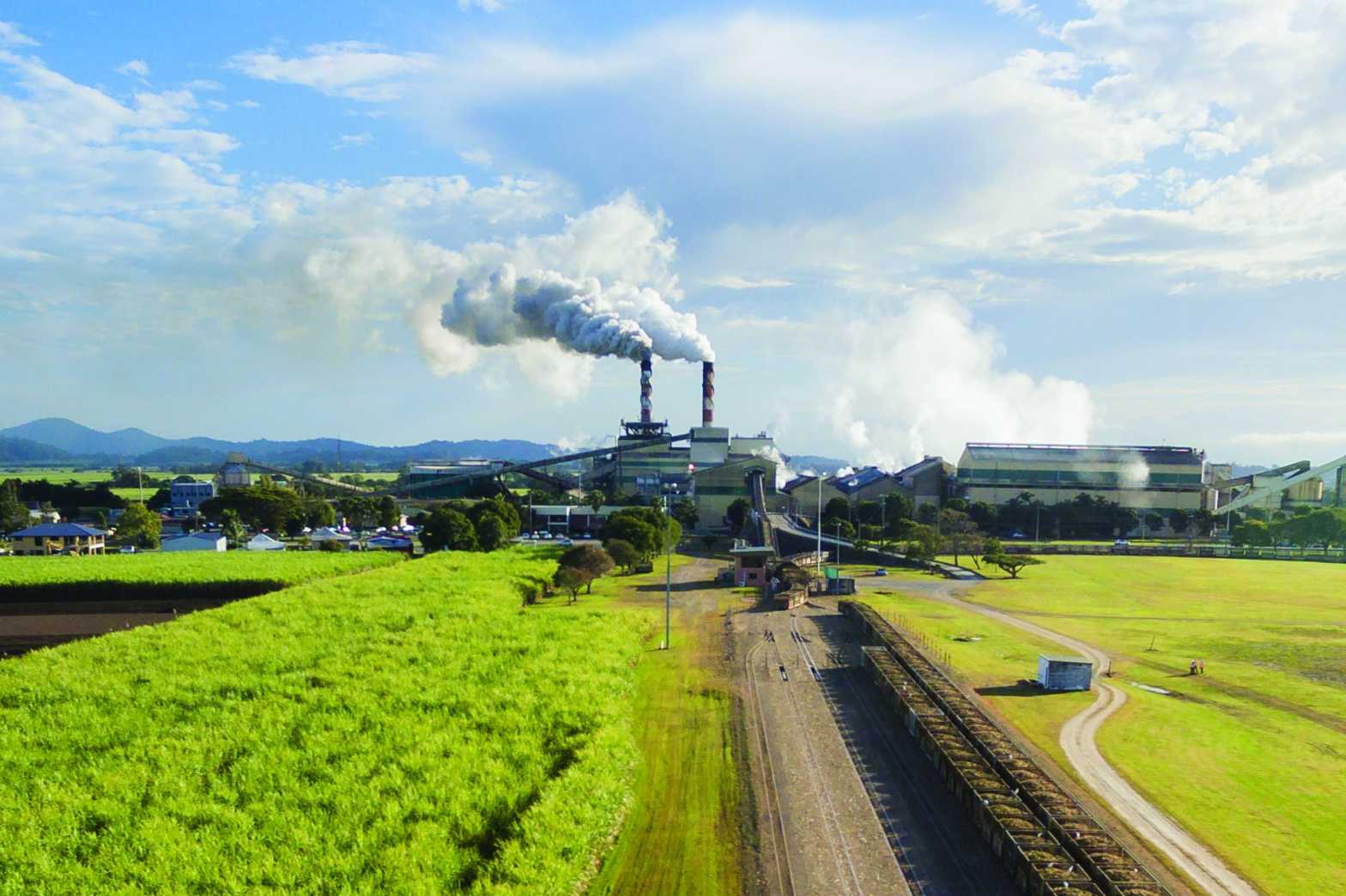
Australia is not short of fuel options. We have the capacity to produce more here at home – particularly through ethanol, where a significant share of production capacity is currently sitting idle.
That’s why CANEGROWERS is calling for a compulsory national E10 mandate – ensuring up to 10 per cent of Australia’s fuel is produced domestically, while creating the market certainty needed to drive investment in local production.
Every litre produced locally is one less litre we need to import, reducing our exposure when global markets tighten.
There are also real opportunities in biodiesel and sustainable aviation fuel, particularly for regional Australia.
None of this will happen without clear policy direction and investment. And that’s where the focus needs to be.
Fuel insecurity isn’t an abstract issue. It’s something regional industries are feeling right now.
If we want to avoid being in this position again, we need to start treating it that way.