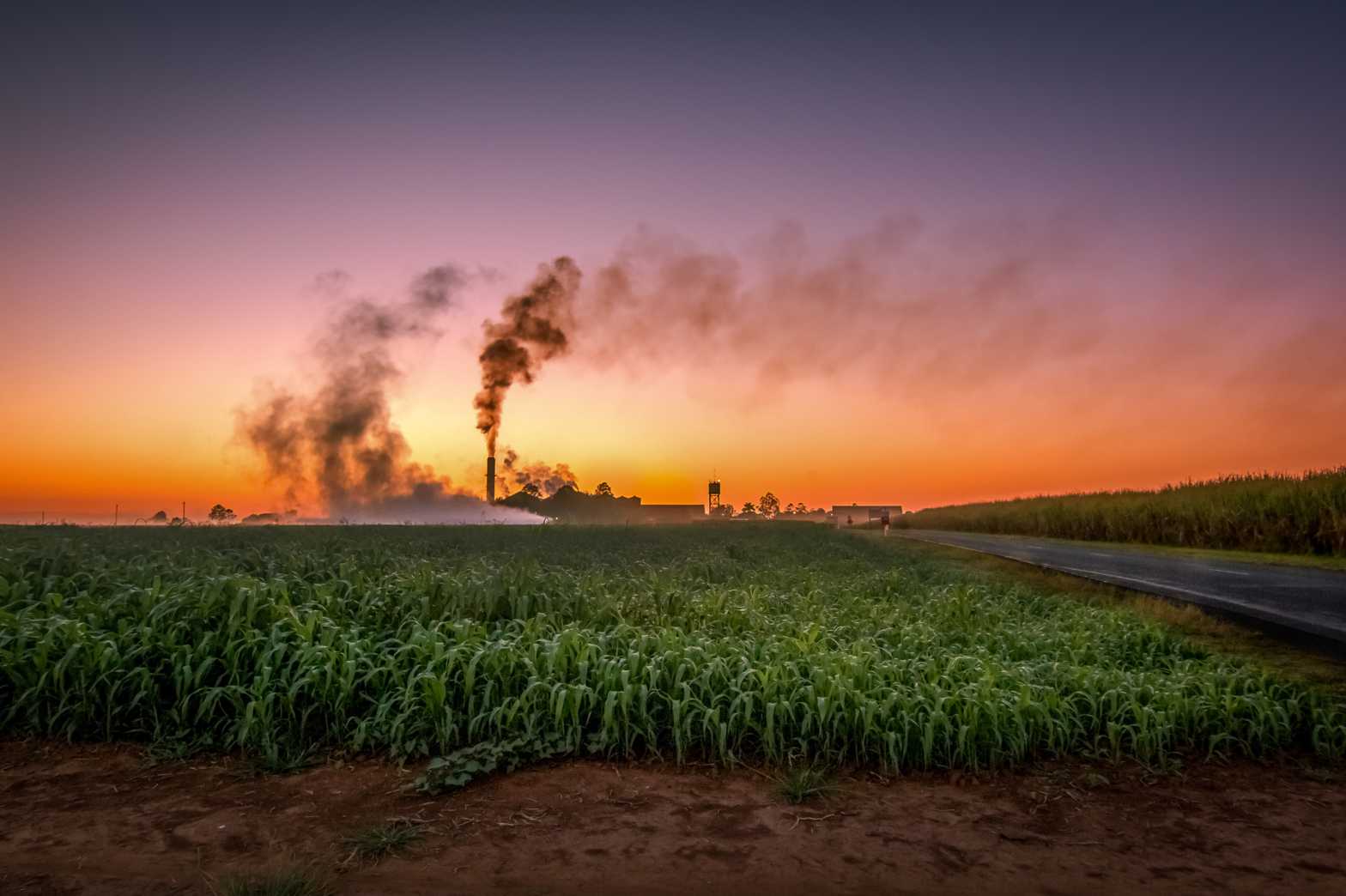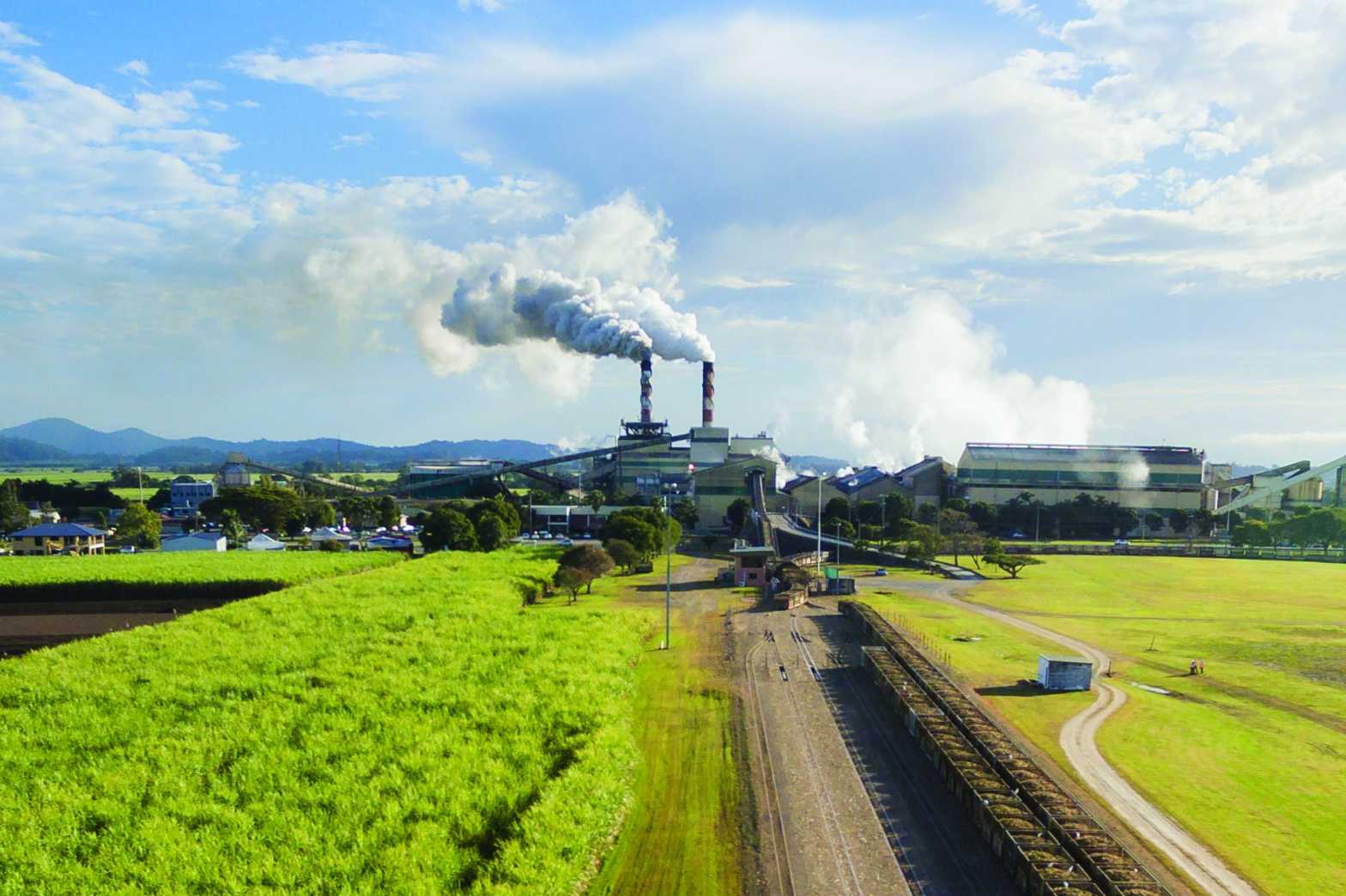
Queensland’s sugarcane harvest is fast approaching, with the 2026 crush now just weeks away.
Later this month, harvesters will begin rolling out across the state’s cane-growing regions, where approximately 97% of Australia’s 30 million tonne crop is grown and processed.
After a couple of difficult and disrupted seasons, there is a sense this year could offer a return to more stable conditions.
Growing conditions through summer have generally been favourable, and the crop is there. But what happens next will be just as important.
Last year’s smaller crop took pressure off the system. Mills ran more smoothly, downtime was reduced, and the season finished earlier than it has in recent years.
This year will present a more demanding test, with higher volumes to harvest and process. The performance of harvesting and milling sectors will be critical.
Once cane is cut, it needs to keep moving. Delays in transport or processing don’t just slow operations – they impact sugar content and place additional pressure across the entire supply chain.
Maintaining efficiency from paddock to mill will be key to a successful season.
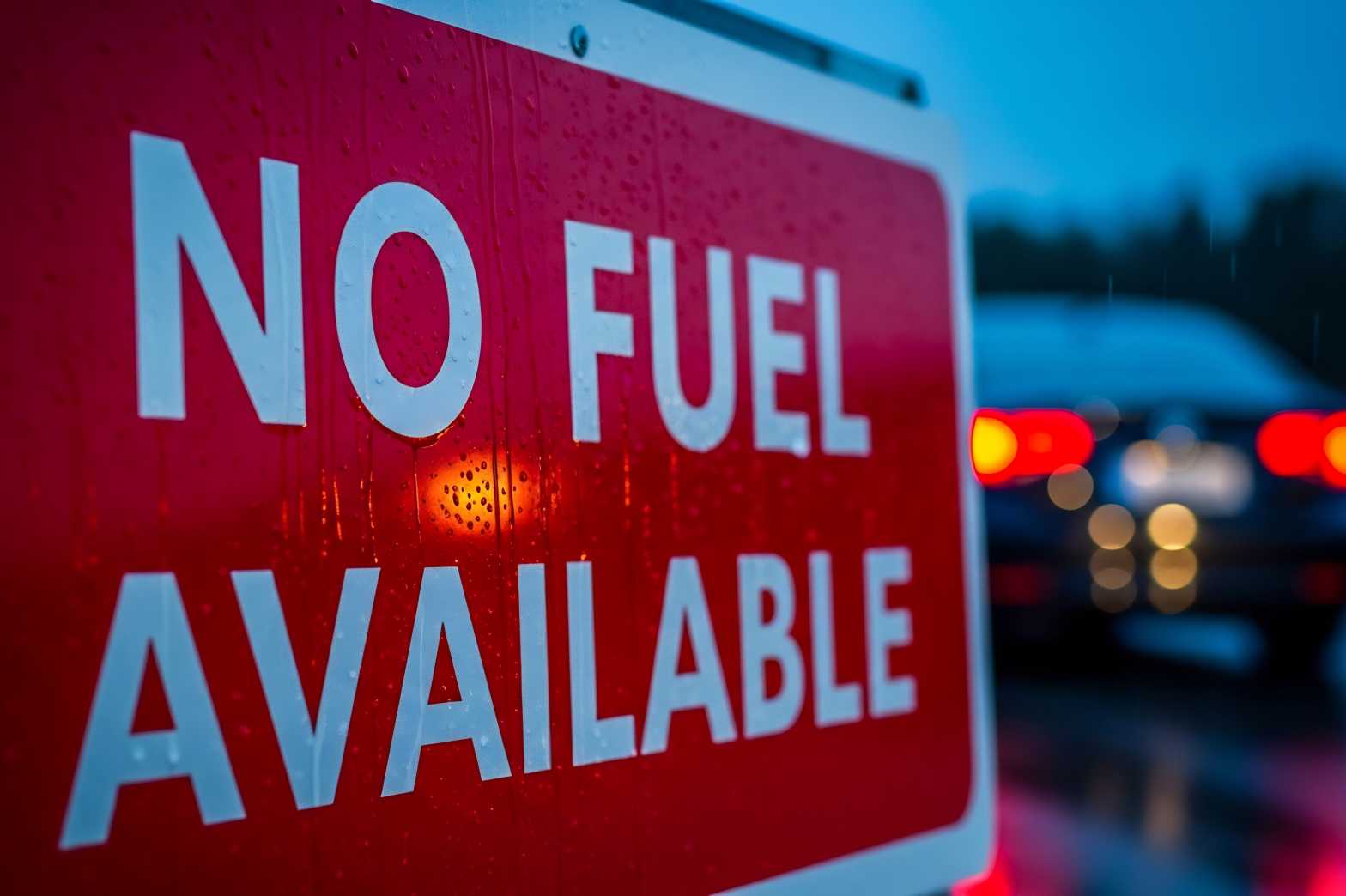
At the same time, growers are managing ongoing uncertainty. Fuel and fertiliser supply remain concerns, with global instability continuing to influence both availability and price.
Combined with relatively low sugar prices and rising input costs, the margin for error is tight.
That is why there is also a strong focus on strengthening the industry for the long term.
The Queensland Government’s recent investment in biodiesel is a positive step and reflects the broader opportunity for sugarcane.
Beyond sugar production, the industry has the potential to contribute to Australia’s fuel security and renewable energy future. With the right policy settings, that opportunity can be realised.
In the immediate term, much will depend on the weather. Dry conditions through autumn and spring will support access to paddocks, keep harvest on schedule and help protect sugar content.
This time of year also brings increased activity on regional roads. Harvesters, haul-outs, trucks and cane trains will all be operating, often for long hours. A safe season depends on everyone remaining alert and allowing these vehicles the space they need.
A successful harvest is not measured by tonnes alone.
It is measured by a crop delivered efficiently, a system that performs under pressure, and everyone getting home safely at the end of the day.